
Heavy rains and flooding in BC: Practical steps to take during storms
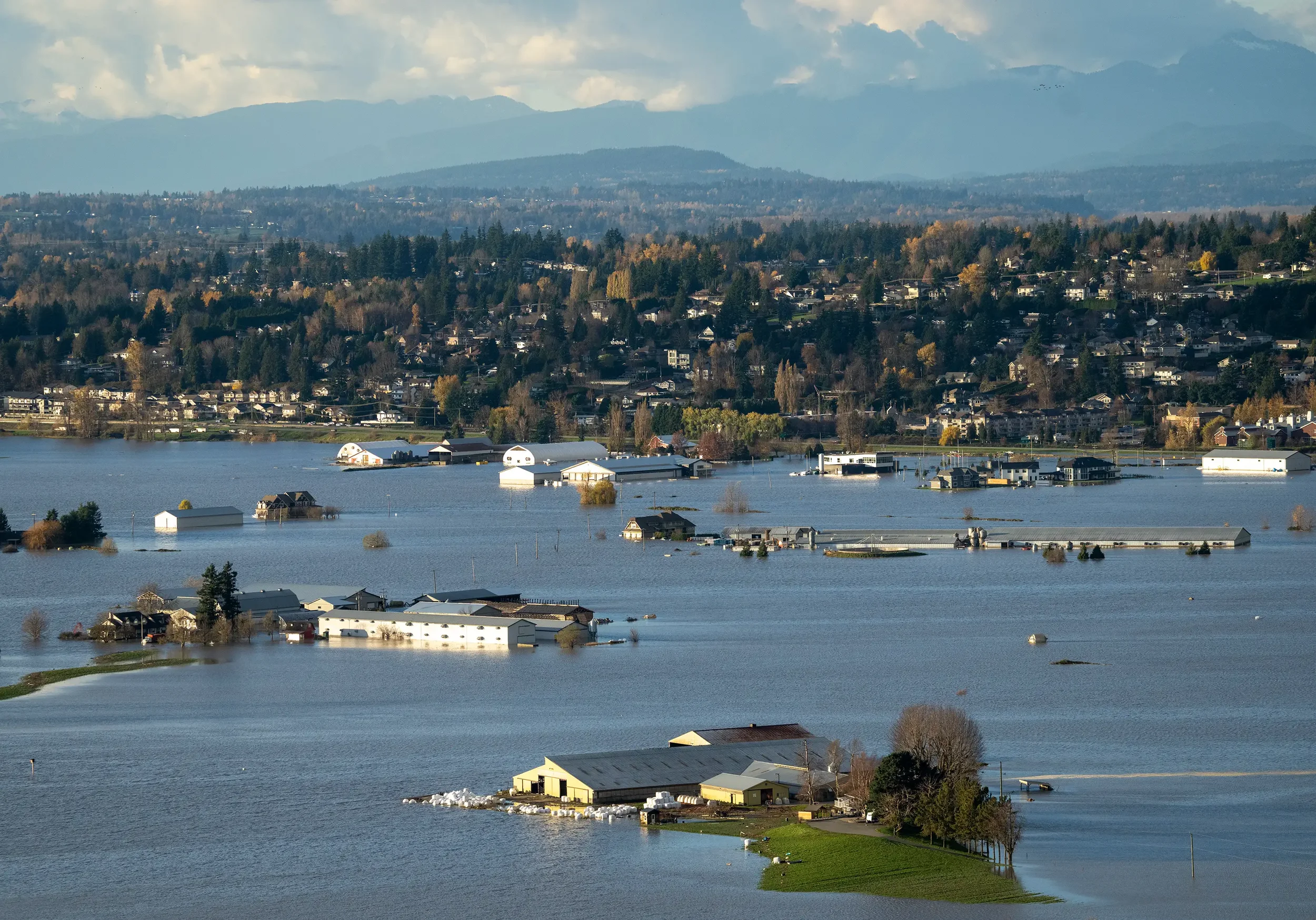
Scene of Abbotsford flooded.
Ongoing flooding in Abbotsford has triggered evacuation emergencies and continues to impact communities across British Columbia. With heavy rainfall systems moving through the region, the effects are being felt well beyond the Fraser Valley — including the Lower Mainland, Tri-Cities, the North Shore, and parts of the Sea-to-Sky corridor.
While extreme weather events like this can overwhelm infrastructure, there are practical steps homeowners can take to reduce the risk of water damage, especially during prolonged rainfall.
This article focuses on prevention and preparedness, giving our readers practical, actionable information during flood conditions.
Why Heavy Rain Causes Flooding Across the Lower Mainland
Flooding during storms like this isn’t caused by rain alone. It’s often the result of:
Saturated ground that can no longer absorb water
Blocked storm drains and gutters
Debris redirecting water toward homes
Low-lying areas and aging drainage infrastructure
When these factors combine, even homes far from rivers can experience basement flooding, foundation water intrusion, and surface pooling.
1. Keep Gutters and Downspouts Clear
Blocked gutters are one of the most common contributors to water entering homes during heavy rain.
What to check:
Leaves, needles, and debris in gutters
Downspouts that are fully clear from top to bottom
Water being directed away from the foundation, not pooling near the house
During intense rainfall, overflowing gutters can quickly saturate soil along foundation walls, increasing the risk of basement leaks.
2. Clear Storm Drains and Surface Grates Near Your Home
Storm drains help manage excess rainfall, but they can easily become clogged with leaves and debris.
If it’s safe to do so:
Clear leaves from drains near your property
Check driveway or yard drains for blockages
Remove debris that could divert water toward homes downhill
Even a partially blocked drain can redirect a significant amount of water during heavy rain.
3. Rake Leaves and Debris Away From the Foundation
Wet leaves can form dense mats that:
Block natural drainage paths
Hold moisture against foundation walls
Redirect runoff toward basement windows or entry points
Raking leaves away from:
Foundation walls
Window wells
Walkways and drainage paths
can help water move where it’s supposed to go.
4. Check Basement Window Wells and Entry Points
Basement flooding often starts at the weakest points.
Make sure:
Window wells are clear of leaves and debris
Drain holes at the bottom of wells are not blocked
Covers are secure but not trapping water
If your home has flooded before, these areas should be monitored closely during heavy rainfall.
5. Use Sandbags to Redirect Water (When Necessary)
In areas at higher risk:
Place sandbags at low doorways and garage thresholds
Focus on redirecting water, not sealing walls
Avoid stacking sandbags directly against siding where water could be trapped
Sandbags are most effective when used to guide water away from vulnerable areas, not to block it entirely.
6. Observe Water Flow During Rainfall
If conditions are safe, take note of how water behaves around your home during heavy rain.
Watch for:
Pooling near the foundation
Overflow from garden beds or planters
Water being unintentionally directed toward the house
Understanding how water moves during storms can help identify problem areas before damage occurs.
7. After the Storm: Address Issues Quickly
Once rainfall subsides:
Remove debris that collected in gutters and drains
Check for standing water near the home
Address minor drainage issues before the next storm system arrives
Flood events often come in waves, and preparation between storms is critical.
Supporting Our BC Communities
Our thoughts are with everyone affected by flooding in Abbotsford and across British Columbia — including residents in the Lower Mainland, Tri-Cities, North Shore, and Sea-to-Sky who are dealing with ongoing rain and rising water levels.
While extreme weather is becoming more common, basic exterior maintenance and drainage awareness can help reduce the risk of water damage and support community resilience during events like this.
Stay safe, follow local emergency guidance, and look out for one another.
