
Guide to Eco-Friendly Cleaning Solutions That Won’t Harm Lawns
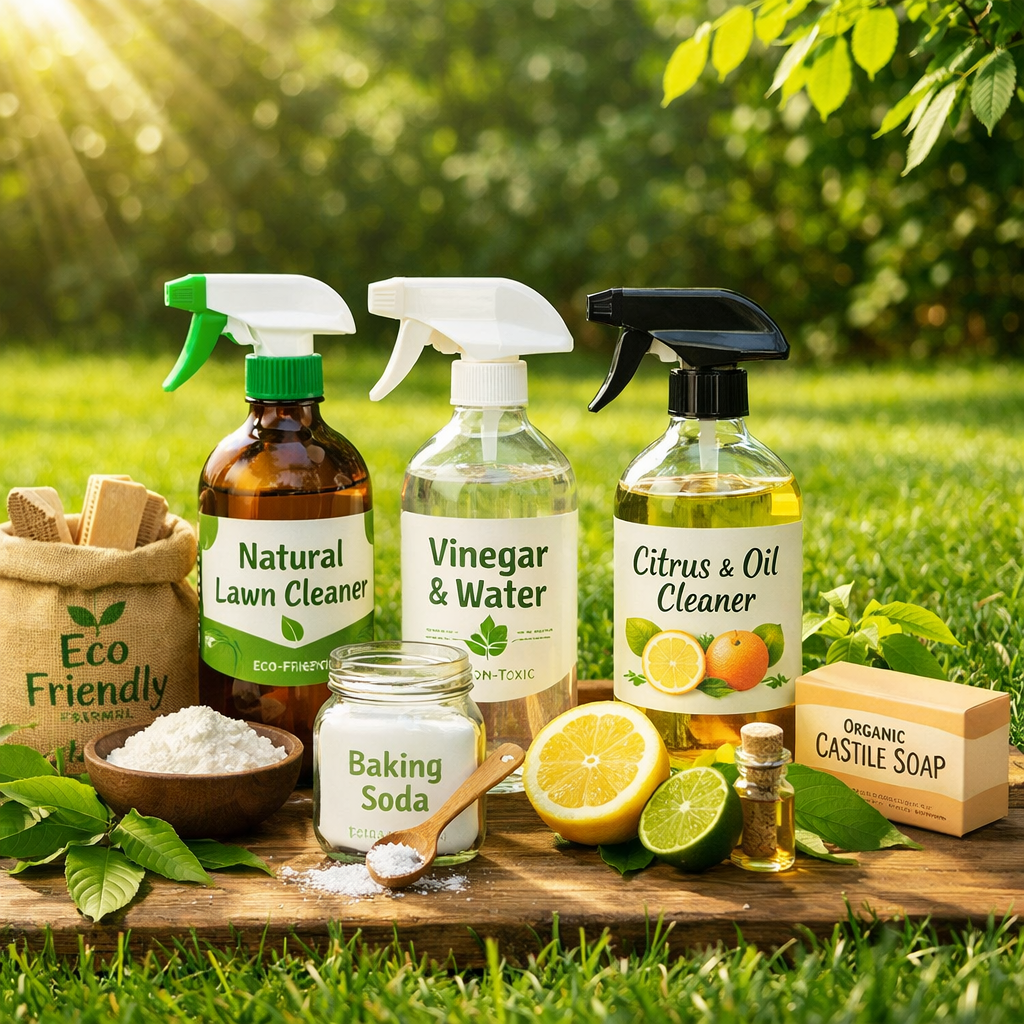
Vancouverites are known for being environmentally conscientious, so it should come as no surprise that homeowners care deeply about their lawns, gardens, and nearby waterways. That’s why eco-friendly exterior cleaning matters.
Why harsh chemicals are a problem
Traditional cleaners can:
• Burn grass and plants
• Harm soil health
• Run into storm drains that flow to local rivers and oceans
• Be unsafe for pets and kids
With so many homes in the Tri-Cities and Fraser Valley close to green spaces, using safer solutions is key.
What “eco-friendly” really means
Eco-friendly cleaning solutions should be:
• Biodegradable
• Phosphate-free
• Low-toxicity
• Safe when diluted properly
• Effective against mold, mildew, and algae
Look for plant-based surfactants and products labelled safe for landscaping.
Common safe options
For light DIY cleaning:
• Vinegar & water (good for weeds and light algae, not siding)
• Oxygen bleach (sodium percarbonate) for decks and concrete
• Mild dish soap for surface dirt
Avoid straight chlorine bleach — it’s tough on plants and soil and can discolor surfaces.
How professionals use eco-safe methods
Professional soft washing uses:
• Precisely diluted cleaning agents
• Controlled application to limit runoff
• Pre-wetting and rinsing of plants
• Targeted treatments instead of blanket spraying
This removes organic growth while protecting lawns, gardens, and nearby waterways.
Best practices for homeowners
If you’re cleaning yourself:
• Wet plants before and after applying solutions
• Never mix chemicals
• Avoid windy days
• Rinse surfaces thoroughly
• Test in small areas first
The takeaway
Eco-friendly exterior cleaning isn’t about weaker results — it’s about smarter chemistry and safer methods. In this wet climate, you can still get excellent results while protecting your lawn and the environment.
If you’re unsure of how to do that safely, leave a comment down below and we’ll be happy to share more tips!
