
DIY pressure washing mistakes that can cost you thousands
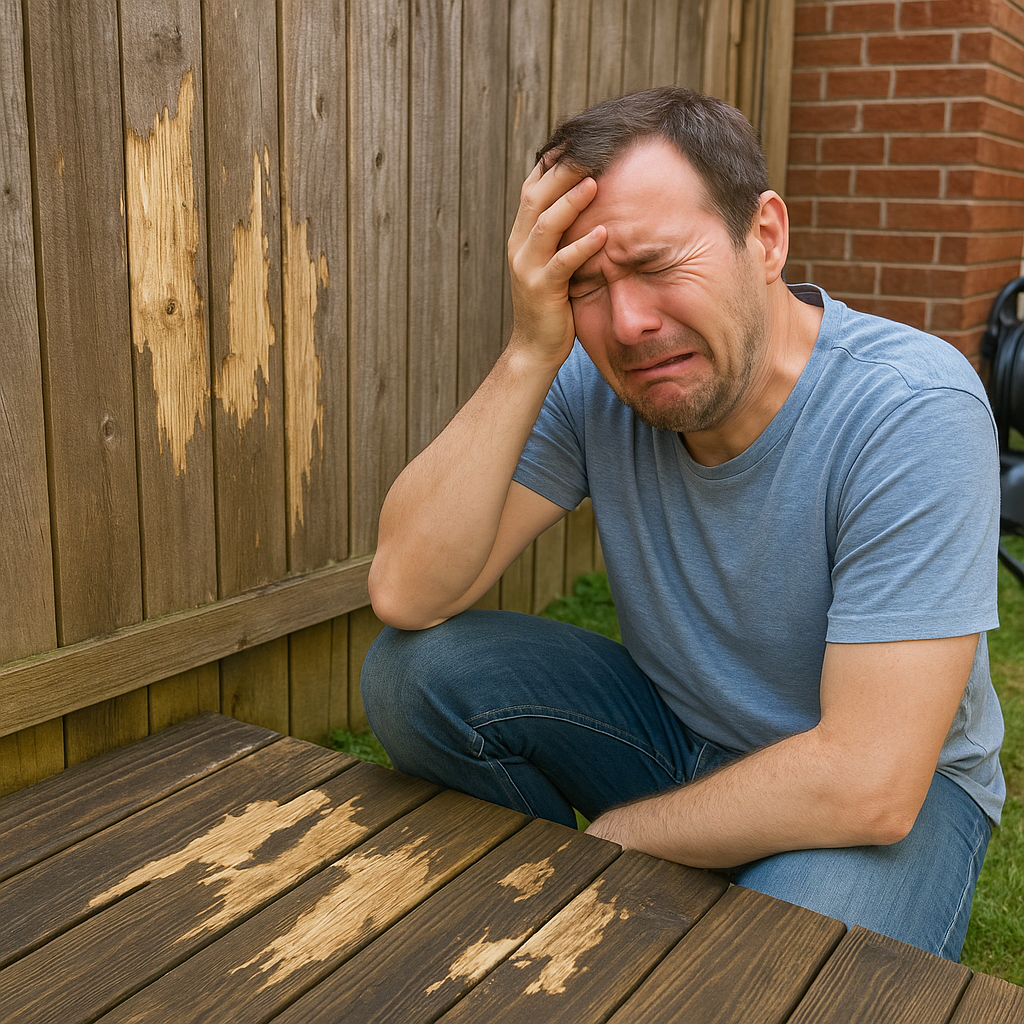
Don’t ruin your deck with the wrong technique. Always check with professionals if you’re unsure!
Pressure washing looks simple—point, spray, done. But one wrong move with the wrong nozzle, pressure setting, or cleaning mix can lead to water damage, stripped paint, or even a ruined roof. Here are the most common DIY mistakes we see homeowners make, and why calling in professionals can save you a lot of stress (and cash).
1. Using too much pressure on siding
Cranking the pressure might feel satisfying, but vinyl, wood, and fiber cement can’t handle it. Too much force can:
Force water behind siding, leading to rot or mold
Etch the surface, leaving visible streaks
Blow off caulking and loosen trim
The fix: Professional soft washing uses controlled pressure and the right nozzles to clean surfaces without forcing water where it shouldn’t go.
2. Spraying upward under siding and soffits
Aiming the wand upward drives water into seams, vents, and roof edges. That moisture doesn’t just disappear—it seeps into insulation, attics, and walls, where it can cause hidden water damage and mold growth.
The fix: Always spray downward or at a shallow angle. Pros know exactly where not to aim.
3. Using the wrong chemicals (or the wrong mix)
Bleach, degreasers, or hardware store “miracle cleaners” can kill plants, stain surfaces, or damage finishes if mixed incorrectly. Homeowners often apply too strong, leave it on too long, or rinse poorly—leading to dead landscaping, corroded metals, or streaked paint.
The fix: Trained crews use professional-grade cleaners at precise dilutions, plus pre-wetting and rinsing techniques to protect your property.
4. Roof washing like it’s a driveway
High-pressure on shingles is one of the fastest ways to ruin a roof. It strips away the protective granules, shortens roof life, and can even void your warranty.
The fix: Roofs should only be cleaned using low-pressure soft washing with the right solution and dwell time. No blasting. Ever.
5. Skipping safety measures
Slippery ladders, wet surfaces, electrical outlets, and hoses everywhere—DIY washing can go sideways quickly. Injuries and property damage are more common than people think.
The fix: Pros use proper safety gear, stabilizers, and systems to keep everyone (and everything) intact.
The bottom line
DIY pressure washing can seem like a money saver, but the hidden costs of mistakes add up fast—think water damage, repainting, roof repair, or mold remediation. BriteWorx uses professional equipment, eco-friendly products, and proven methods designed for Pacific Northwest homes. We get it done right the first time, so you don’t end up paying twice.
